Large-Format Printing Services in London Ontario: Banners, Signs, and More
Step onto Richmond Row on a Saturday and you will see big graphics doing heavy lifting. Restaurant banners signal patio openings, window vinyls announce seasonal menus, and sandwich boards corral foot traffic. Drive toward Wonderland Road or Highbury and the construction hoarding, site signs, and safety panels tell their own story. In a city that balances manufacturing, healthcare, education, and a thriving small business scene, large-format printing turns ideas into visible momentum.
I have spent years watching projects succeed or stumble based on choices made at the print stage. Material matters in a February freeze. Hardware fails if wind was not part of the plan. A file that looked fine on a laptop turns soft on a 10 foot backdrop. The good news is that London has capable providers who know the climate, the by-laws, and the quirks of mounting graphics on brick one week and trade show aluminum the next. If you are evaluating printing services London Ontario for banners, signs, and more, a little practical detail will save time and budget.
What counts as large format, and where it shows up in London
Large-format covers any print that exceeds the sheet sizes used by conventional office copiers. In practice, that means roll or rigid media up to wide widths, often 54 to 126 inches, printed on specialized equipment. You will find it in places people move through quickly, where the job is to communicate from a distance and survive the weather or the crowd.
Retail and hospitality lean hard on window perf and removable vinyl to refresh promotions without repainting. Western University and Fanshawe College apply murals, wayfinding, and event backdrops that need to look sharp on camera. Construction sites rely on coroplast and aluminum composite panels for safety and branding, plus mesh banners where wind has to pass through. Sports venues like Budweiser Gardens need sponsor boards that photograph cleanly under mixed light. Trade shows at the Western Fair District still depend on retractable banners, foam board talkers, and quick set walls that load in without a dozen cases.

Two themes recur in London. First, weather. UV, freeze-thaw, road grit, and gusty corners near tall buildings can age materials faster than a spec sheet suggests. Second, rules. The City of London regulates permanent and temporary signs, including portable signs. Most print shops London Ontario will not handle permits for you by default, so your schedule has to include that step if the piece is anything but interior or truly temporary.
Materials and hardware that stand up to Southwestern Ontario
Prices and aesthetics get attention, but survival does the real work. When I guide a client through options at a print shop London Ontario, I start with substrate and finishing, then back into print method. The same design on the wrong stock invites failures you cannot fix on site.
Here is a quick reference to common banner materials and when they make sense:
- 13 oz scrim vinyl - A daily driver for outdoor banners. Good balance of cost and durability, handles cold well with proper hemming and grommets.
- 18 oz blockout vinyl - Heavier and more opaque, ideal for street pole banners and double-sided hanging where light bleed matters.
- Mesh banner - Perforated to relieve wind load on fences and scaffolds. Visibility is slightly reduced up close, better than a torn solid banner after a gale.
- Fabric polyester - Rich color for indoor backdrops and trade shows, packs small with fewer crease lines than vinyl. Needs proper framing or tensioning.
- Canvas or specialty textiles - Gallery wraps and upscale interiors. Not for wet conditions or places that take abrasion.
Rigid signs divide along durability and weight. Coroplast handles yard signs, site wayfinding, and temporary construction uses with a usable lifespan of a few months outdoors, or longer if sheltered. Foam board excels indoors for short events; it is light, looks crisp, and dents easily. PVC sheet rides the middle line for indoor and some outdoor, though it can warp under summer heat if unsupported. Aluminum composite panel, often called ACP or DiBond, is the long-haul outdoor option for building signs and hoarding that needs to endure years, not months.
Hardware choices play the same role as good shoes in winter. Hemming plus grommets placed at 18 to 24 inch intervals keep banners from tearing. Pole pockets on street banners prevent sag and allow a clean swap by city crews. Snap frames and SEG fabric frames create tidy edges and fast graphic changes for interior campaigns that refresh frequently. For portable signs, a weighted base keeps sidewalk boards upright on windy Dundas Place afternoons.
How print methods affect color, longevity, and cost
Most wide-format work in London falls into four technology families, each with trade-offs.
Eco-solvent inks bite into vinyl well and deliver saturated color at reasonable cost. They need outgassing time before lamination, especially for vehicle decals, so same-day is a stretch unless the provider bakes in time with heat and airflow. Outdoors, eco-solvent with a cast vinyl and proper laminate can last several years.
Latex inks cure quickly and are often Greenguard certified for low emissions. They play nicely with many media, which simplifies material selection for interior environments like hospitals and schools. Scratch resistance is decent, and the faster turnaround helps on rush campaigns.
UV-cured inks sit on the surface and harden under light. They shine on rigid substrates like ACP, coroplast, and acrylic. The ink film can be more brittle on flexible media unless the correct profile and media pairing is used. For outdoor sign panels, UV hits the sweet spot for speed and durability.
Dye-sublimation dyes fabric through heat and pressure, producing deep color without the plastic sheen of vinyl. You see it in trade show walls, flags, and table throws. It is washable, resists wrinkling with proper handling, and looks upscale on camera.
Lamination and overlaminate textures add another lever. A matte laminate cuts glare in offices and arenas, valuable where cameras point everywhere. Gloss boosts saturation at the cost of reflections. For floor graphics, a certified slip-resistant laminate is not optional. In our winters, an indoor floor graphic near an entrance sees damp boots and salt, so the right textured laminate and edge sealing make the difference between a month and a season.
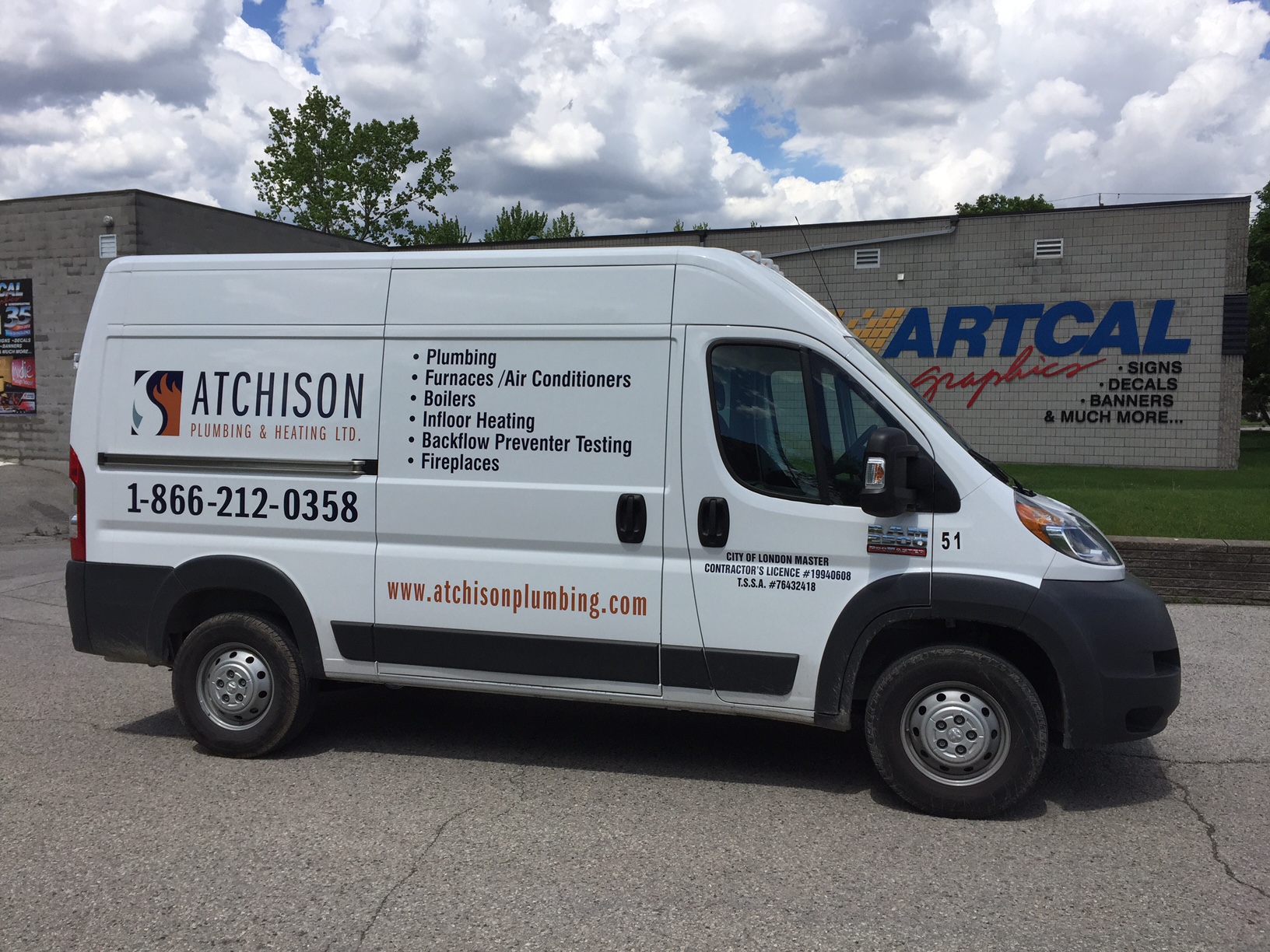
As for life expectancy in local conditions, expect unlaminated vinyl decals to hold color for 6 to 18 months outdoors, depending on sun exposure. Laminated premium vinyls on a stable substrate may keep their look for 3 to 7 years. Mesh banners on construction fencing can last a year or more if tensioned correctly and away from sharp edges. Fabric backdrops, used indoors and stored properly, can serve for many event cycles.
Designing for scale without surprises
A banner that looks soft from ten feet tells the story of a file built for screens. The move from pixels to print size follows a few simple rules that prevent headaches.
- Build at final size when possible, or at 50 percent scale with all raster elements at 200 to 300 ppi at that scale. You do not need 600 ppi on a 20 foot wall viewed across a lobby.
- Convert text to outlines or supply all fonts. A missing weight can shift line breaks and ruin balanced type.
- Use CMYK or a printer-specified ICC profile. Spot colors like Pantone can be simulated closely, but only if you and the provider agree on targets upfront.
- Include bleed, typically 0.25 to 1 inch on banners and 0.125 to 0.25 inch on rigid signs, and keep critical elements away from edges where hems, grommets, or frames will cover them.
- Share a reference proof if brand color is critical. A photo of a previous installed piece helps calibrate expectations.
If the piece features photos of people or product, request a small printed swatch for skin tones and brand colors. A 12 by 18 inch test can save a five hundred dollar reprint. On gradient-heavy designs, ask your print shop about banding mitigation and preferred file settings.
Installation realities in London
Putting a sign on a building looks straightforward until you meet brick that crumbles, a wall with surprise conduits, or a wind tunnel beside a parking garage. Good installers carry fasteners for brick, block, and metal studs, plus the right anchors for EIFS and composite panels. They will also bring a lift ticket and insurance. Do not assume a ladder and a helper will get your 10 by 20 foot banner up outside a second floor window on Clarence Street. It is not worth the risk.
Permitting deserves respect. The City of London regulates permanent signs and many temporary ones. Portable signs typically have placement limits and time windows. If your campaign plan relies on a sidewalk presence, confirm the rules before you print three A-frames. For heritage-designated properties, which are common in the Woodfield area, there may be additional restrictions or review steps. Most printing companies London Ontario will provide drawings and specs to support your application if you ask early.
Winter brings its own curveballs. Vinyl becomes less flexible below freezing, and adhesives take longer to bond. If you must apply window or wall vinyl in January, schedule install teams for the warmest part of the day and expect slower work. For exterior wall panels, predrill carefully to avoid cracking cold plastics. Mesh banner on fencing is still installable in the cold, but zip ties can snap if overstressed when brittle.
Timelines and what they really mean
When you hear next day or same week, ask what that covers. Many print shops London Ontario can print a standard 3 by 8 foot banner within a day once a print-ready file is approved. Add hemming, grommets, and time to outgas for eco-solvent prints, and you may be into a second day. Rigid panels often need cutting and edge finishing, which adds a day. Install calendars fill quickly at month end and pre-holiday weeks.
Ballpark ranges I have seen locally, subject to the specifics of material, finishing, and volume:
- 13 oz vinyl banners: roughly 8 to 14 CAD per square foot, with mesh at the higher end.
- Coroplast signs: roughly 7 to 12 CAD per square foot, single sided, small run.
- Adhesive vinyl with lamination: roughly 12 to 20 CAD per square foot, depending on film grade and laminate.
- Aluminum composite panel with print applied: roughly 18 to 30 CAD per square foot, plus hardware and install.
Rush fees vary widely, often 15 to 50 percent depending on shift and install impact. If your window is tight, simplify finishing to what is essential. For example, a promotional banner hung indoors for two weeks does not need double stitching and corner reinforcement. Save the heavy finishing for pole banners and outdoor spans.
Choosing among printing companies London Ontario
The phrase printing London Ontario covers everything from quick-copy counters to production floors with flatbed UV presses, CNC routers, and install crews. Your project does not need the biggest shop, it needs the right fit.
Ask about equipment and finishing in plain terms. A shop that prints in-house on roll-to-roll and outsources cutting may price well on banners but slower on shaped signs. If you need dimensional letters or routed panels, confirm they have a CNC and know how to edge finish composite aluminum without chatter.
Color management is not a buzzword when your logo must match across vinyl, fabric, and backlit panels. Do they maintain profiles for their materials and run test swatches on request? For backlits like menu boards or lightbox graphics, ask whether they print day-night or double strike to maintain color under illumination.
Installation capability matters. Some print shops sell the print and hand you a box. Others have insured installers who will survey, measure, fabricate hardware, and handle lift logistics. If you operate across several sites in London, a partner that manages install calendars and remediation when a landlord changes requirements midstream is worth the slight premium.
References and photos tell the truth. Look for examples on streets you know. A banner still straight after four months on a windy corner speaks louder than a mockup. If your building sits on a busy corridor like Wellington, insist on hardware rated for the exposure.
Finally, gauge communication. The best printing services London Ontario are clear on proofs, change orders, and what happens if a file misses on resolution. Surprises are rare when a provider translates your yes into a firm schedule and a packing list.
Four quick snapshots from real projects
A downtown salon wanted to catch post-work pedestrians in late fall, a time when dusk arrives early and foot traffic skews to commuters. We designed a window campaign with a translucent frost vinyl carrying bold typography, lit from inside. The film preserved privacy for clients while glowing at night. Installation took place at midday to keep adhesive happy. The shop measured multiple times to avoid the vintage mullions that were not square. The result looked deliberate, not improvised.
A local youth sports association needed a portable sponsor wall for weekend tournaments at community arenas. They weighed retractable banners against a fabric pop-up. Retractables were cheaper per unit and easier to move in a sedan, but the fabric wall delivered a cleaner backdrop for photos. We printed a 10 foot fabric wall by dye-sublimation, packed it in a single case, and backed it with two retractables for overflow branding when space allowed. That flexibility served them through three seasons.
On a construction site near Fanshawe Park Road, the general contractor ordered mesh banners for perimeter fencing. The first draft had dense text and phone numbers that vanished at a distance. We simplified the design to a logo field and short URL, increased contrast, and added reinforced corners. Zip ties alone failed on a stormy weekend, so the crew swapped in bungee cords that allowed give under gusts. The banners looked fresh months later, and the ad dollars worked.
A faculty conference at Western needed wayfinding that could move building to building. Foam board arrows worked indoors, but the route crossed an exterior courtyard. We printed the outdoor pieces on coroplast and paired them with weighted stands. To reduce waste, the art team built a modular arrow system where only the center card changed. The core hardware came back for reuse at the next event.
Sustainability that survives the calendar
Sustainability in large-format printing is real when it survives deployment, not just when it checks a box. A vinyl that tears and gets trashed in six weeks is not greener than a slightly heavier alternative that lasts a year.
If interior air quality is on your checklist, ask your print shop about latex inks and Greenguard certified materials. Hospitals and schools in London often standardize on those. For short-term indoor pieces, paper-based display boards can replace foam for some uses, though edges need more care. Fabric graphics, especially silicone-edge frames, reduce plastic use in the long run because you keep the frame and replace only the fabric.
PVC-free films exist for walls and windows, and they apply and remove cleanly. They may cost more and require different laminates. Coroplast is hard to recycle curbside, but some providers collect offcuts for specialized recycling streams. Reuse beats recycling in this category. Design banners with modular areas where a date or sponsor panel can be swapped, and you will halve your waste on annual events.
LED-lit lightboxes save power and offer uniform illumination for backlits. If your brand leans on lightbox visuals, choose systems that accept front-loading graphic swaps, which extends the life of the frame and reduces install waste.
Pitfalls that cost money, and how to dodge them
Most painful reprints trace back to predictable issues. Logos pulled from websites rasterize badly when stretched. Effects like drop shadows and fine hairlines disappear on mesh. White ink on clear acrylic needs layer logic, or you will install a see-through graphic that never pops. Here are the trouble spots I flag early and how to address them.
Low resolution art. If you have only a small PNG of your logo, ask your designer to rebuild it in vector. For photos, source higher resolution or pick images with forgiving textures. A gritty concrete background scales well, a tightly patterned fabric does not.
Insufficient finishing. A single line of stitching on a street banner invites failure. Hem both top and bottom, use webbing for pole pockets, and place grommets generously. For panels, use enough standoffs or fasteners per square foot, not just the corners.
Color shifts between pieces. Printing vinyl and fabric on different devices and profiles without coordination yields mismatched blues that wreck a set. Insist on a shared proof and a single provider if consistency matters.

Lamination shortcuts. Floor graphics without the correct slip rating get yanked by facilities, sometimes within hours. Window graphics without edge https://rentry.co/cctfyii4 sealing near doors collect dirt and peel. Ask for the right laminate, and confirm its spec in writing.
Wrong media for the surface. Low tack removable vinyl will not stick to rough brick, and high tack permanent vinyl will damage finished drywall. Share photos of the install site and, if possible, let the shop test a swatch on your surface.
Working with local print shops London Ontario, step by step
The smoothest projects follow a simple rhythm that respects proofing and production realities.
- Send photos and measurements of the install site, along with your goals and timeline. A good provider will spot issues before design begins.
- Agree on materials, finishing, and hardware with samples in hand. Touching a swatch of 13 oz vinyl or ACP makes abstract choices concrete.
- Submit print-ready files built to spec, and request a small color proof when brand accuracy is critical.
- Approve a clear estimate and a schedule that includes install windows and any permit lead times.
- After install, store graphics properly. Roll banners with the print out, not in. Keep fabric clean and dry, and label each piece for future reuse.
Local knowledge pays dividends. A shop that has installed at your mall, arena, or corporate park knows the loading docks, the after-hours protocols, and the facility manager’s preferences. Many providers in London will also offer short-run kitting and local delivery, which keeps your team focused on the event rather than the errand.
Where the value shows up
When you choose among printing companies London Ontario, cheap and fast will always beckon. Sometimes that is all you need. A weekend pop-up can ride on a single retractable printed yesterday. But for most visible projects, value hides in details that the right partner makes easy. They ask whether your wall is painted with low-VOC paint that resists adhesion. They recommend mesh on a windy fence rather than waiting for Monday’s phone call. They add one more grommet per edge and close the loop on hardware.
Quality in large-format is not about extravagant spend. It is about smart material choices, honest timelines, and designs that respect scale and environment. London’s business landscape rewards those who look big and act prepared. With an experienced print shop London Ontario at your side, your banners, signs, and graphics will not just show up, they will hold up. And that makes your message visible when it counts.
Artcal Graphics & Printing — Business Info (NAP)
Name: Artcal Graphics & PrintingAddress: 779 Industrial Rd, London, ON N5V 3N5
Phone: +1519-453-6010
Website: https://www.artcal.com/
Hours:
Monday: 8:00 AM – 4:30 PM
Tuesday: 8:00 AM – 4:30 PM
Wednesday: 8:00 AM – 4:30 PM
Thursday: 8:00 AM – 4:30 PM
Friday: 8:00 AM – 4:30 PM
Saturday: Closed
Sunday: Closed
Open-location code (Plus Code): 2RGM+3R London, Ontario
Map/listing URL: https://www.google.com/maps/place/Artcal+Graphics+%26+Printing+Inc/@43.025226,-81.1680305,17z/data=!3m1!4b1!4m6!3m5!1s0x882eed2ae63a528d:0xc7068af2d391a354!8m2!3d43.025226!4d-81.1654556!16s%2Fg%2F1vm7c2pl?entry=ttu&g_ep=EgoyMDI2MDYwMS4wIKXMDSoASAFQAw%3D%3D
Embed iframe:
Socials (canonical https URLs):
Facebook: https://www.facebook.com/ArtcalGraphics
LinkedIn: https://www.linkedin.com/company/artcal-graphics-&-screenprinting-inc./
Instagram: https://www.instagram.com/artcalgraphics/
https://www.artcal.com/
Artcal Graphics & Printing provides signage and graphic design services for businesses and organizations in London, Ontario and surrounding areas.
If you need custom signs, printed graphics, or design support for marketing materials, the team can help you plan the right format and finish for your project.
Common requests include business signage, interior and exterior graphics, vehicle or window graphics, and printed items used for promotions and day-to-day operations.
Artcal Graphics & Printing serves London and nearby communities throughout Southwestern Ontario.
Hours listed are Monday–Friday 8:00 AM–4:30 PM, with Saturday and Sunday closed.
For directions and listing details, use the map listing: https://maps.app.goo.gl/A2EZfwDigfcN14zA8
To request pricing or share artwork details, call +1-519-453-6010 or use the contact options on https://www.artcal.com/.
Popular Questions About Artcal Graphics & Printing
What types of signage can a sign shop produce?Many sign shops handle items like storefront signs, window graphics, decals, banners, and other custom displays (options depend on materials and project needs).
Do I need a print-ready file to place an order?
Not always—some shops can help with design or preparing artwork, but it’s best to confirm file formats, sizing, and resolution requirements before production.
How long does a signage or print project take?
Turnaround varies based on the product type, quantity, and production schedule. Sharing your deadline early helps confirm timing.
What are the hours for Artcal Graphics & Printing?
Hours listed: Monday–Friday 8:00 AM–4:30 PM; Saturday closed; Sunday closed.
How can I contact Artcal Graphics & Printing?
Phone: +1-519-453-6010
Website: https://www.artcal.com/
Map: https://maps.app.goo.gl/A2EZfwDigfcN14zA8
Landmarks Near London, ON
1) Victoria Park2) Covent Garden Market
3) Budweiser Gardens
4) Western University
5) Fanshawe College
6) Springbank Park