Eco-Friendly Options for Car Wraps London Ontario
Sustainability has finally reached the sign shop. Ten years ago, most wraps started with a PVC film, ran through a solvent printer, then finished under a PVC laminate. The final product looked sharp and lasted, but it came with a footprint that made many owners uneasy. Today, if you are pricing car wraps London Ontario, you have real choices that cut emissions, reduce waste, and avoid the harder-to-recycle materials. The trick is sorting what truly helps from what is just a green label.
This guide pulls from day-to-day shop practice, not a brochure rack. It explains materials, printing methods, adhesives, and production habits that matter, then frames them against London’s climate, road salts, and the way fleets run here. Whether you are wrapping a single crossover or fifty delivery vans, you can lower impact without sacrificing finish or durability.
What makes a wrap eco-friendly, in practical terms
Greener wraps show up in three places. First, the material footprint of the film and laminate, especially whether they contain PVC, plasticizers, or chlorine. Second, the inks and the printer platform, which drive energy use and volatile organic compound emissions. Third, shop process, from waste capture and recycling to install practices that limit failures and re-dos. None of this is abstract. These choices shape air quality inside the shop, off-gassing during installation, and the end-of-life path when the wrap comes off.
A cleaner supply chain does not mean a fragile product. Good PVC-free films, low-VOC inks, and modern laminates can still give you 3 to 7 years of service in Southwestern Ontario, depending on exposure, color density, and how you care for the vehicle. The costs are closer than you might think as well, and sometimes the greener route saves money through reduced reprints and fewer failures in cold weather.
Materials: PVC, PVC-free, and where the trade-offs land
Most legacy wraps are polyvinyl chloride. PVC takes heat well, conforms around curves, and holds color. The trade-off is chlorine content, plasticizers that can migrate, and tougher recycling. You can still buy excellent PVC films, and many are shifting to phthalate-free plasticizers and lower-VOC adhesives. If you only have the budget for standard PVC, look for those improvements and pair them with better inks and laminates.
PVC-free films are the second bucket. These come in a few chemistries, including polyurethane and polypropylene blends. They tend to be lighter by area, which helps shipping emissions a little, and they avoid chlorine. In the last five years, cast PVC-free films have improved conformability, so they can handle moderate compound curves like bumper corners or SUV channels. Deep recesses, tight wraps around sharp edges, and textured substrates are still easier with premium PVC. That is the honest line. For typical car wrap London Ontario jobs like sedans, crossovers, and cargo vans with normal curves, PVC-free is a valid choice if installed by someone who knows how to manage film memory and heat.
Pay attention to the liner as well. Paper liners with silicone coatings are common. Some manufacturers offer liners made with recycled content. It is a small win, but every kilogram counts across a full fleet.
Laminates and the quiet importance of top coats
Laminates determine how long the print holds up to UV, salt, and scrubbing. This layer is sometimes overlooked, yet it often drives the smell in a shop and the wrap’s end-of-life. Standard PVC laminates work and match PVC base films for shrinkage and gloss. If you go PVC-free on the face film, try to match that with a compatible PVC-free laminate. Mismatching can increase edge lift or shrinkage variances, which show up as a faint halo line around letters or seams after a winter or two.
Gloss, satin, and matte all exist in PVC-free variants. Matte shows grime sooner on London’s salted roads, and frequent washing eats into the finish over time. If your brand allows it, a satin or light gloss will resist salt spray better and show fewer squeegee lines.
Ink systems that reduce emissions and energy
Printing has shifted hard toward cleaner chemistry. Understanding the options helps you ask better questions.
Solvent inks use aggressive carriers to get pigment into the film. They work and can be durable, but they release VOCs and often need off-gassing before lamination. Eco-solvent is a milder version that reduces odor and VOCs. Many shops in Ontario moved to eco-solvent a while ago, and it is workable if the shop has decent air handling and respects cure windows.
Water-based latex inks are common on newer wide-format printers. The carrier is mostly water, so VOCs drop significantly. Latex prints are touch-dry out of the machine and can be laminated the same day, which shortens production and reduces the risk of trapped solvents that cause silvering. The pH and temperature profile are kinder to many PVC-free films, and I have seen fewer banding issues on mid-tone builds.
UV-curable inks set under LEDs on many current systems. They lay a thicker film and can feel a bit more rigid, which is fine on flat panels and mild curves, less ideal on deep channels unless you use flexible formulations. The upside is minimal VOCs and very low energy use, especially with LED arrays. Under London’s range of temperatures, UV prints hold color well, but they need matched laminates and an installer who understands post-heating on stretches.
If you care about indoor air quality during production or install, ask for water-based latex or LED UV. If your design includes heavy solids or rich blacks that will be stretched into deep recesses, eco-solvent may still be chosen for its stretch characteristics, but that is becoming rarer as flexible UV and latex profiles improve.
Adhesives: low-VOC and removable without a fight
Adhesives used to be the smelliest part of the job. Modern low-VOC acrylic adhesives with air-release channels have changed that. For car wrapping London Ontario, where winter installs sometimes happen in heated bays, low-boil adhesives help reduce bubbles and keep fumes in check. The greener profile also shows up when it is time to remove the wrap. Removable adhesives that release cleanly at 50 to 60 degrees Celsius cut labor and avoid harsh chemical removers. That helps both cost and environmental impact because you send less gummy film to disposal and use fewer solvents.
Avoid high-tack permanent adhesives unless the surface demands it, like raw polyethylene panels https://jsbin.com/feriratido or low-energy plastics on specialized equipment. For standard painted automotive surfaces, air-egress removable adhesives hit the sweet spot.
Shop practices that quietly shrink the footprint
The greenest wrap is printed right the first time, trimmed efficiently, and installed cleanly. In practice, a shop’s process can swing total waste by double-digit percentages.
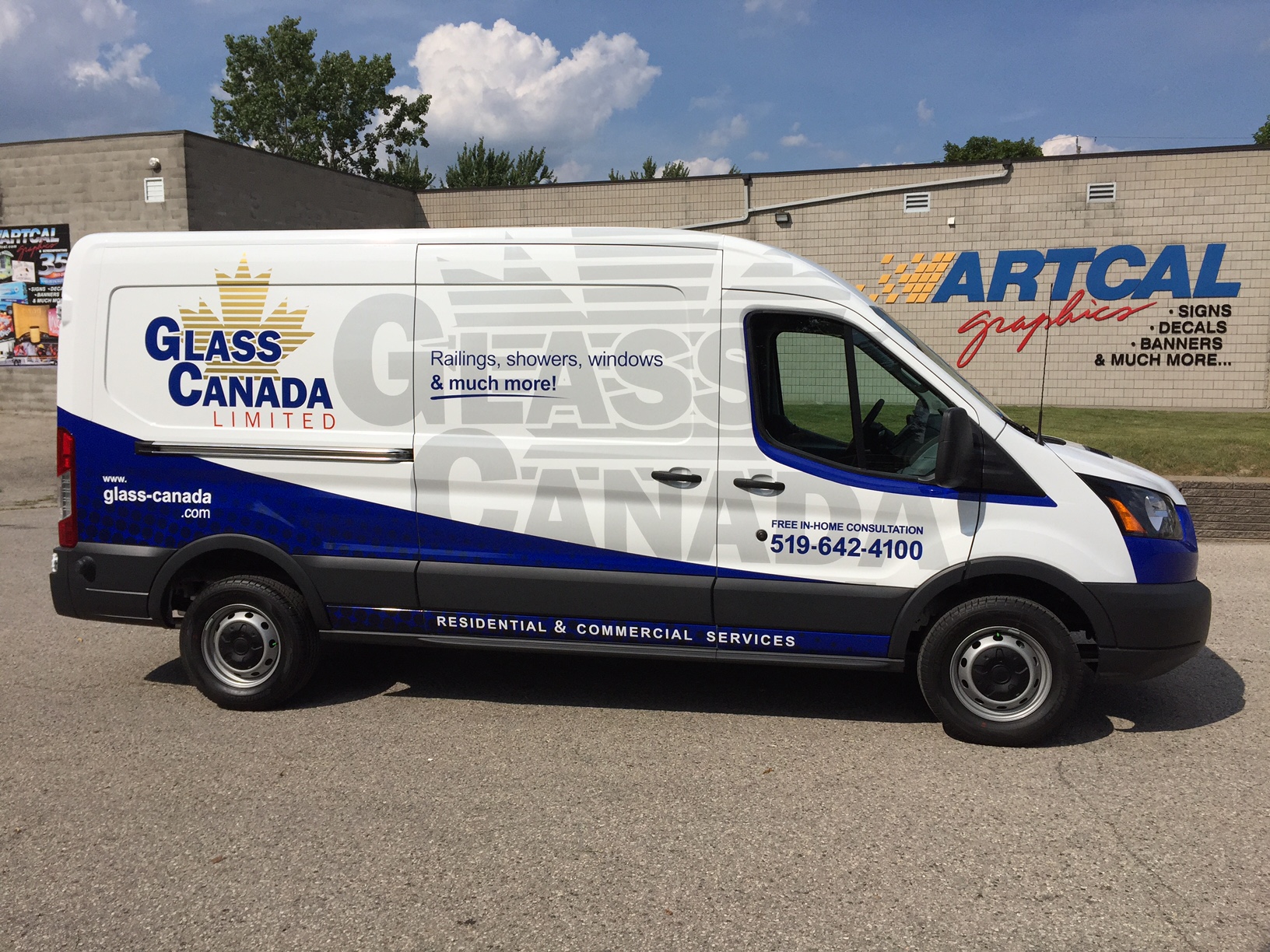
Ink laydown and profiling. Proper color profiles reduce over-inking. Too much ink increases dry time, risks mottling, and wastes liters per year. The best operators in London that I have worked with keep a maintained spectrophotometer and re-profile quarterly. That is not a marketing line, it is how you keep cyan from creeping and avoid reprints.
Panel tiling and nesting. A good prepress tech can nest pieces to save 5 to 15 percent material on a typical compact SUV wrap. On a fleet of twenty vans, that might save two full rolls of film. It also saves time on the table, because fewer wild edges mean faster trims.
Waste capture. Trims, backing paper, and release liners add up quickly. PVC release liners have limited recycling options through municipal streams, but some sign supply distributors offer return programs or bale pickups when volumes are high. If your project is large, ask the shop to coordinate a take-back. For small runs, at least make sure the shop separates paper from film trimmings and keeps adhesive-laden offcuts out of general recycling so they do not contaminate the stream.
Energy and heat. Latex and UV printers with efficient curing reduce energy use compared with older solvent platforms. Installation in a controlled bay at 18 to 22 degrees Celsius likewise reduces rework due to cold creases or poor adhesion, which indirectly lowers waste.
London Ontario climate and how it shapes decisions
Route 401 wind, lake effect snow, salt on Oxford Street, and summer UV around mid-year, all of it leaves a mark on wraps. PVC-free films that perform well in temperate tests can still shrink a touch faster around deep channels after two winters. On most door panels and hoods, they hold fine. The trouble spots are bumpers and rocker panels where debris, salt spray, and pressure washing hit hardest.
For vehicle graphics London projects that spend winters parked outside, put more emphasis on a durable laminate with strong UV inhibitors. Ask for edge sealing on high-target zones like door handles and front bumper inlets. Black matte films heat fast under July sun, which can soften them enough that a car wash brush scuffs. If you need matte black for brand reasons, choose a higher durometer matte or a satin that reads matte from eight feet away but has better abrasion resistance.
Underbody and rockers get chewed by grit in March and April. A paint protection film strip on high-wear areas, even if it is PVC-free and thinner than full PPF, can extend life significantly. It is an extra cost, but for a trades van that logs 30,000 km a year on salted roads, it pays for itself by keeping the wrap edges intact.
Real numbers: cost, lifespan, and the return you can expect
For a typical compact sedan with a full wrap in London Ontario, you will see quotes in the range of 2,500 to 5,000 CAD, depending on coverage, design complexity, and the film and laminate tier. PVC-free options tend to add 10 to 20 percent, mainly due to material cost and sometimes slower install speed. Partial wraps and strong branding with spot panels can land under 2,000 CAD and deliver 80 percent of the visual punch.
On fleets, scale changes everything. A run of 15 to 40 vans often brings the per-vehicle cost down by several hundred dollars. Efficient nesting, shared color profiling, and fewer unique panels tighten waste. When I helped a London contractor convert a 24-van fleet to a PVC-free film with latex printing, the total waste offcuts dropped by just under one full roll across the project, and we saved roughly eight hours of install time by standardizing panel seams. Their per-van cost was within 7 percent of the older PVC wrap they had used three years earlier, and the visual difference was nil to the average passerby.
Lifespan depends more on surface prep and washing habits than a brochure suggests. In local use, you can expect 5 to 7 years on sides and hoods with a premium PVC film and 3.5 to 6 years with a top-tier PVC-free, provided edges are sealed and the vehicle is hand washed or run through touchless systems. Bumpers may clock in one year shorter than panels. Darker colors age faster from UV, matte finishes show it first, and metallic pigments usually hold well if laminated correctly.
Disposal and end-of-life in Ontario
Recycling wrap film through city blue bins is not an option. Mixed plastics with adhesive, inks, and laminates do not fit municipal systems. That does not mean all waste goes to landfill. Some sign suppliers and manufacturers run take-back or recovery programs on certain films, especially clean trimmings without adhesive. Availability changes, and minimum volumes apply. It is reasonable to ask your provider if they can aggregate trimmings for periodic pickup.
At removal, capturing the film in larger pieces helps. Warm the surface gently, peel at a low angle, and avoid tearing the laminate from the base film. The closer you keep it to intact sheets, the more likely a recycler that handles specialty plastics will accept a batch. If you operate a fleet with scheduled decommissioning, plan removals in waves and store the pulled film clean and dry. You gain leverage when you can ship a full pallet to a regional plastics handler through a partner distributor.
Adhesive residue removers, when needed, should be citrus or soy based where possible. Strong solvents work faster, but they belong in a controlled environment with proper capture of wipes and rags. A good installer can minimize residue with slow, warm peeling and the right adhesive choice at the start.
How this affects creative decisions and brand consistency
Design choices influence sustainability more than people realize. A wrap with enormous saturated solids burns more ink, puts more pigment in harm’s way, and shows scuffs faster, which leads to earlier panel replacements. Clever use of negative space, paint color integration, and crisp line work reduces ink density by 10 to 30 percent without dulling the message. For vehicle graphics London campaigns, I like to anchor visuals on high-visibility panels and let factory paint breathe on less critical areas. Partial wraps with spot graphics can still read as premium if the seams align with body lines.
Color accuracy matters, particularly for franchises and national brands. Latex and UV platforms can match Pantone guides within a few Delta E if profiled. Blues and oranges are usually cooperative. Rich reds can clip on some latex profiles, so a proof on the actual film and laminate is worth the day it takes. Ask for a 12 by 12 inch color target on your chosen film. That single square saves arguments and reprints.
A short buyer’s checklist for sustainable car wrapping London Ontario
- Ask which film families are available in PVC-free, and request sample swatches you can flex around a bumper corner.
- Request the printer platform and ink set, and prefer water-based latex or LED UV for lower VOCs.
- Confirm the laminate chemistry matches the base film, not just the gloss level.
- Inquire about waste handling, including whether the shop can aggregate trimmings for return through a supplier.
- Get a written care guide that specifies soaps, wash frequency, and pressure washer settings.
Installation quality and why it has an environmental dimension
A flawed install is not just a cosmetic issue. Lifting edges collect dirt, force early replacements, and send more film to landfill. London’s winter compounds this with freeze-thaw cycles that push water under edges. The installer should decontaminate paint with an alkaline wash and an isopropyl-water wipe, then use a tack cloth in dust-prone areas. Heat management matters, especially on PVC-free films that respond differently to post-heating. Overheating can over-relax a film, which shrinks back in cold. Underheating leaves memory in a stretch that pulls at edges later.
Invisible details add life. Primers or edge sealers, used sparingly at known stress zones, cut failures dramatically. Door handle cups, license recesses, and bumper intakes eat wraps for breakfast without attention. Primers are chemistry, so more is not greener. A thin line, applied where needed, is smarter than slathering an entire edge.
Maintenance that extends life and lowers total impact
You can get another season from a wrap with simple habits. In March and April, when salt mush turns into grit, rinse vehicles more often to prevent abrasive wear. Avoid stiff brushes. A touchless wash with a biodegradable detergent does the least harm, and there are several car wash soaps on the market with clear biodegradability claims. Keep pressure washer nozzles at least 12 inches from the film and under 1,400 psi at a 40 degree fan tip. Focus the jet at a shallow angle, never into an edge. If you wax, use a polymer sealant labeled safe for vinyl wrap. Avoid petroleum distillates.
A small satin or matte wrap benefits from ceramic top coats designed for vinyl. These are not magic, but they make bugs and grime release more easily, which cuts hard scrubbing. If your vehicle spends days parked under trees in summer, sap can stain prints. A quick detail spray and microfiber wipe within a day or two prevents permanent marks.
Case notes from the field
A local café owner called about a full matte black wrap for a delivery hatchback. They liked the stealth look and wanted to add gloss logos. We moved them to a satin charcoal PVC-free film with a high-opacity white spot print for the logo, then a gloss PVC-free spot laminate over just the logo. The car reads matte from the sidewalk, the brand pops with gloss contrast, and washing is easier because satin hides fewer wipe marks than dead matte. The switch dropped ink coverage by about 20 percent and avoided the scuff-prone full matte. Three winters later, only the front bumper needed a small replacement panel after a curb scuff.
On a contractor fleet, the operations manager worried that PVC-free films would not survive winter. We proposed PVC-free panels on flat surfaces and a premium PVC film only on deep bumper recesses. It is not the purest solution, but it reduced PVC volume per van by about half while keeping the risk low on the hardest zones. Their graphics London Ontario presence stayed consistent, down time was minimal, and the total project waste dropped thanks to simpler panel maps.
Questions to bring to a provider in London
When you meet a car wrap London Ontario provider, walk the shop. Do you smell heavy solvent? Are printed panels stacked with spacers, or are they laid flat in a dusty corner? Are there profiles posted by printer, material, and laminate, with dates? Ask whether they run test strips before a big job, how they handle color approvals, and whether they have done removals on the specific film they are recommending. If they hesitate on any of that, keep shopping.
London has a healthy mix of independent sign shops and franchise providers. Some specialize in fleets and vehicle graphics London, others lean toward retail storefronts and interior graphics. Both can produce good work. The green edge usually correlates with newer equipment and managers who take color management seriously.
When greener choices are not the right call
If you need a wrap to conform into deep channels on an older panel van with dramatic body lines, or you demand a brushed metal texture across multiple tight radii, a premium PVC film still performs best. If your vehicle takes weekly brush washes, a hard gloss PVC laminate will outlast a soft-touch PVC-free matte every time. If your brand color sits in a region where latex or UV has a harder time matching, eco-solvent might be the smart pick for accuracy, provided the shop manages ventilation and cure time.
Sustainability is not an all-or-nothing game. Changing any one of film, ink, laminate, or process helps. In many cases, you can hit three of the four with no visible compromise.
Permitting, warranties, and the small print that matters
Wraps on commercial vehicles generally avoid permitting, but check if any reflective graphics are planned near headlights or tail lights. Warranty language varies. A typical film warranty details vertical and horizontal surface life, with vertical facing better. Read whether winter road salt is excluded. Some warranties cover fading more generously than lifting. Install warranties are separate and are the ones that matter in the first 6 to 12 months. Ask for both in writing. A provider comfortable with PVC-free will spell out where they expect shorter life and how they mitigate it, such as edge sealing or PPF reinforcement.
A short care routine to keep your investment greener and longer lasting
- Wash every 10 to 14 days in winter, monthly in summer, using a biodegradable pH-balanced soap and soft mitt.
- Keep high pressure at a distance and avoid direct jets at edges or seams.
- Remove sap, bird droppings, and bug splatter within 48 hours using a wrap-safe cleaner.
- Store indoors or use a breathable cover during long idle periods to reduce UV load.
- Plan a mid-life inspection around year three to catch lifting edges or abrasions early.
Bringing it together for London drivers and fleet owners
If you want sustainable car wraps London Ontario can support, start with PVC-free films where panel shapes allow, match them with PVC-free laminates, and print with water-based latex or LED UV. Make sure the shop nests panels efficiently, manages color with discipline, and treats installation as a craft, not a race. Where conditions or design push you back toward PVC or specific ink sets, accept the compromise and win sustainability points elsewhere, like smarter design, better care, and thoughtful disposal.
Green choices show up in the details that owners and drivers control. Wash kindly, repair small issues early, and keep the wrap on the vehicle its full useful life. That, more than a label on a box, is what reduces the footprint of car wrapping London Ontario drivers rely on for work and for brand presence. With the right mix of materials and habits, you can put graphics London Ontario residents notice every day on the road, while keeping your environmental ledger tighter than expected.
Artcal Graphics & Printing — Business Info (NAP)
Name: Artcal Graphics & PrintingAddress: 779 Industrial Rd, London, ON N5V 3N5
Phone: +1519-453-6010
Website: https://www.artcal.com/
Hours:
Monday: 8:00 AM – 4:30 PM
Tuesday: 8:00 AM – 4:30 PM
Wednesday: 8:00 AM – 4:30 PM
Thursday: 8:00 AM – 4:30 PM
Friday: 8:00 AM – 4:30 PM
Saturday: Closed
Sunday: Closed
Open-location code (Plus Code): 2RGM+3R London, Ontario
Map/listing URL: https://www.google.com/maps/place/Artcal+Graphics+%26+Printing+Inc/@43.025226,-81.1680305,17z/data=!3m1!4b1!4m6!3m5!1s0x882eed2ae63a528d:0xc7068af2d391a354!8m2!3d43.025226!4d-81.1654556!16s%2Fg%2F1vm7c2pl?entry=ttu&g_ep=EgoyMDI2MDYwMS4wIKXMDSoASAFQAw%3D%3D
Embed iframe:
Socials (canonical https URLs):
Facebook: https://www.facebook.com/ArtcalGraphics
LinkedIn: https://www.linkedin.com/company/artcal-graphics-&-screenprinting-inc./
Instagram: https://www.instagram.com/artcalgraphics/
https://www.artcal.com/
Artcal Graphics & Printing provides signage and graphic design services for businesses and organizations in London, Ontario and surrounding areas.
If you need custom signs, printed graphics, or design support for marketing materials, the team can help you plan the right format and finish for your project.
Common requests include business signage, interior and exterior graphics, vehicle or window graphics, and printed items used for promotions and day-to-day operations.
Artcal Graphics & Printing serves London and nearby communities throughout Southwestern Ontario.
Hours listed are Monday–Friday 8:00 AM–4:30 PM, with Saturday and Sunday closed.
For directions and listing details, use the map listing: https://maps.app.goo.gl/A2EZfwDigfcN14zA8
To request pricing or share artwork details, call +1-519-453-6010 or use the contact options on https://www.artcal.com/.
Popular Questions About Artcal Graphics & Printing
What types of signage can a sign shop produce?Many sign shops handle items like storefront signs, window graphics, decals, banners, and other custom displays (options depend on materials and project needs).
Do I need a print-ready file to place an order?
Not always—some shops can help with design or preparing artwork, but it’s best to confirm file formats, sizing, and resolution requirements before production.
How long does a signage or print project take?
Turnaround varies based on the product type, quantity, and production schedule. Sharing your deadline early helps confirm timing.
What are the hours for Artcal Graphics & Printing?
Hours listed: Monday–Friday 8:00 AM–4:30 PM; Saturday closed; Sunday closed.
How can I contact Artcal Graphics & Printing?
Phone: +1-519-453-6010
Website: https://www.artcal.com/
Map: https://maps.app.goo.gl/A2EZfwDigfcN14zA8
Landmarks Near London, ON
1) Victoria Park2) Covent Garden Market
3) Budweiser Gardens
4) Western University
5) Fanshawe College
6) Springbank Park