Car Wraps London Ontario vs Paint: Which Is Right for Your Ride?
Most vehicle owners in London, Ontario hit the same crossroad sooner or later. You want your car to look fresh, stand out, or protect its value, but you are weighing a full repaint against a vinyl wrap. The choice looks simple until you start factoring in climate, cost over time, maintenance, resale, and how you actually use the vehicle day to day. I have sat with fleet managers who need consistent branding across 30 vans, and with weekend drivers who just want a frost blue satin finish for summer shows. The right answer shifts with goals, budget, and the condition of the underlying paint.
This guide breaks down what matters in our market. London’s winters, local roads, and commercial signage needs influence more than most people realize. By the end, you should have a clear sense of whether a car wrap in London Ontario makes more sense than paint for your situation, and what to ask for when you call a shop.
The baseline: what a wrap is, and what paint still does best
A professional wrap is a high quality vinyl film, typically 2 to 4 mil thick, that covers the painted surfaces. The best installers use cast vinyl for complex curves and long life. Calendared films have their place on flat panels and short term promotions, especially in the vehicle graphics London market, but you would not pick them for a long term colour change. Premium films come from brands like 3M, Avery Dennison, Oracal. They bring air release channels to minimize bubbles, and adhesives that strike a balance between strong hold and clean removal years later.
Paint remains the factory standard for appearance longevity. A proper respray includes prep, primer, basecoat, and clearcoat, all baked or cured to a hard finish. Modern two stage paint systems last a decade or more if you maintain them. Paint chemistry bonds to the body differently than vinyl adheres over it, which is why paint can be sanded and polished in ways vinyl cannot.
Think of wraps as reversible, protective, and creative. Think of paint as permanent, structural, and refinishable. Neither is “better” across the board. They simply excel at different jobs.
London’s climate: where the choice shows up fast
Southwestern Ontario hands out everything in one year. Freeze and thaw cycles from November through March, road salt on the 401 and Wonderland Road, grit and small debris kicking up off Adelaide Street, and summer UV that bakes unprotected horizontal surfaces. If you park outside, your hood and roof tell the story first. Clearcoat failure starts on sun‑beaten panels, then chips appear along the front bumper and leading edge of the hood.
A well installed wrap acts like a sacrificial skin. It takes the rock nicks and salt spray so the paint does not. You will see minor scuffs in the wrap well before you would have seen them in the clearcoat, a fair trade if you plan to remove the film before sale. On the paint side, a quality respray with a ceramic coating can shrug off salt and UV for years, but that depends on prep, product, and how often you wash in winter.
For business vehicles that live on the road and in job sites, a wrap often pays for itself by preserving factory paint from heavy wear. For a garaged weekend car that sees only a few thousand kilometres a year, a respray or paint correction plus ceramic may be more rewarding.
Cost, value, and the three to seven year window
Shop quotes in London vary, but you can work with ranges. A full colour change wrap on a sedan or small SUV usually lands between CAD 2,800 and CAD 5,500 for reputable materials and careful disassembly around handles, mirrors, and trims. Exotic finishes like chrome or color‑shift films can add another 30 to 60 percent and are more finicky to maintain. Partial wraps and vehicle graphics London packages, such as doors, hood, and rear hatch, start much lower and can make sense for branding.
A quality full respray that includes proper prep, panel removal where needed, jambs, and a long lasting clearcoat commonly starts around CAD 6,000 and climbs from there. Cheap paint jobs exist, but shortcuts in prep, masking, or clear thickness show up within a couple of winters. If you only repaint exterior surfaces without jambs, you may save thousands, but colour mismatch and telltale edges will be visible when doors are open.
Wraps typically look their best for three to five years in our climate, sometimes up to seven if garaged, washed carefully, and kept off gravel roads. Paint’s appearance window is longer. A proper refinish looks strong for seven to fifteen years with routine care. That said, when a wrap ages out, you remove it and your preserved factory paint is still there, which helps resale. When paint ages out, you polish, touch up, or you repaint again.
When a wrap makes more sense than paint
I see the wrap choice win in four common scenarios. First, the vehicle already has good factory paint you want to protect. Second, you are after a finish or texture that would be costly or impossible to achieve with paint, like brushed metal, matte stone grey, or a satin pearl that flips under streetlights. Third, the design or colour is temporary. Seasonal campaigns, fleet rebrands, and short term promotions are where car wrapping London Ontario shops earn their keep. Fourth, you need fast turnaround without the masking dust, fumes, and curing time of a full respray.
A wrap also repairs more discreetly than paint in many cases. If someone keys a wrapped door, the installer can replace only that section. The cost for a panel rewrap might be a few hundred dollars. Repainting one door and blending into adjacent panels often costs more and takes the car out of service longer.
Finally, for businesses, wraps act as moving billboards that work even when parked at a job site. Well designed graphics London Ontario packages can pull calls, website visits, and referrals at a cost per impression that beats most local media buys.
When paint earns the nod
If the current paint is failing, peeling, or rust is bubbling through, a wrap is not a cure. Vinyl needs a relatively smooth, sound surface. It conforms but it does not hide rust or heavy orange peel, and it will not adhere properly to flaking clearcoat. Wrapping over failing paint almost guarantees lifting edges and visible defects within months. In those cases, paint and bodywork come first.
Paint also makes sense if you plan to keep the vehicle for a decade and want the longest possible finish lifespan with the ability to sand and polish deep scratches later. If you enjoy the ritual of correction, compounding, and ceramic maintenance, paint lets you restore gloss many years down the line in a way that vinyl cannot match.
A quick head‑to‑head at a glance
- Longevity: Wrap 3 to 7 years in London with care; quality paint 7 to 15 years
- Cost: Wraps commonly CAD 2,800 to 5,500; pro paint often CAD 6,000 and up
- Repair: Wrap panels can be replaced individually; paint often needs blending
- Customization: Wraps offer textures and finishes paint struggles to mimic; paint wins at deep, wet gloss
- Reversibility: Wrap protects and peels to reveal original paint; paint changes are permanent
What to ask a shop in London before you book
Experience and process drive results more than brand names on boxes. A proper car wrap London Ontario install starts with deep cleaning and decontamination, including tar and iron removal, panel edge prep, and in many cases, removing handles, mirrors, and badges for clean seams. Ask whether the installer wraps edges where feasible, or trims at the panel edge. Edge wrapping resists lifting and looks more factory.
Request the specific film line and colour code. 3M 2080 and Avery SW900 are frequent choices for cast colour change. For printed vehicle graphics London work, look for cast printable film plus a cast laminate to maintain flexibility and reduce shrinkage. Confirm whether they use knifeless tape at body lines to avoid cutting on paint. And get clarity on warranty terms. Top brands often back materials for several years against excessive fading or adhesive failure. The shop’s workmanship warranty matters more in practice.

On the paint side, ask to see prior work in daylight. A spray booth, proper curing, and dust control cut down on nibs and inclusions. Get the product stack in writing: primer, basecoat brand, clearcoat brand and thickness, and whether jambs are included.
Timelines and downtime
A full respray that includes jambs and proper curing can keep the vehicle off the road for one to two weeks, sometimes more during busy seasons. A full wrap usually turns around in three to five days, depending on disassembly scope and complexity of the design. For fleets, that downtime difference is not trivial. I have helped a contractor schedule six vans through a wrap shop in under two weeks without losing service capacity. Repaint would have blown up that calendar.
If you opt for printed graphics London Ontario for a promotion, plan ahead. Prepress, proofing, and lamination add a few days before install. For colour change, film availability can be the bottleneck. Matte and rare colours sell out in spring as people prep for car show season.
Maintenance and day‑to‑day realities
Both options need care, just different kinds. Vinyl hates abrasive washes and stiff brushes. Paint hates neglect and salt left sitting for weeks. If you park under trees in Old South or near the river, sap and bird droppings should come off within a day or two regardless of finish. Harsh solvents will cloud matte vinyl and can stain satin. A pH neutral car shampoo, soft mitt, and gentle drying towel extend life in both cases.
For wraps, hand washing is best. Touchless washes are acceptable when you are pressed for time, though repeated hot wax cycles can build residue on matte films. Avoid pressure washer nozzles within a foot of edges and seams. Paint tolerates ceramic coatings and strong detergents better, but hard bristles still mar clearcoat.
Here is a simple care checklist I hand to clients after a wrap or respray:
- Wash by hand weekly in winter, biweekly in summer, using pH neutral soap
- Remove sap or bird droppings within 24 hours with a gentle detail spray
- Skip automatic brush washes; touchless is acceptable in a pinch
- Keep pressure washer tips at least 12 inches from film edges and badges
- Park under cover when possible, and consider a breathable indoor cover for long storage
Ceramic coatings on wraps can help, but choose products designed for vinyl. The wrong coating can add unwanted gloss to matte films or create patchiness. On paint, ceramics add slickness and ease of cleaning. Think of them as a maintenance helper rather than a force field.
Resale and insurance angles
Used buyers in Ontario still default to valuing original factory paint in good condition. A well preserved, unmolested OEM finish commands trust. In that light, a wrap can be a resale asset. It protects the original finish from chips and UV, and when peeled by a professional, the paint often looks years younger. If you keep meticulous records, include photos of the paint before the wrap and receipts for removal.
Custom paint can be a harder sell unless the finish is universally appealing and exceptionally well executed. Wild colours, heavy metallics, and candy tints shrink the buyer pool. If you plan to sell within a few years, a reversible colour change wrap scratches the itch without committing future buyers.
Insurance is straightforward. Ontario insurers generally treat wraps and graphics as aftermarket modifications. Inform your provider about the value of the wrap or vehicle graphics London package so it can be covered in a claim. If you do not disclose it, a collision payout may not account for the wrap’s cost. For paint, note any declared customization if it would be costly to replicate.
Legal and practical considerations in Ontario
Avoid film on windshields. That includes tinted or opaque vinyl above the AS‑1 line if it obstructs view, which is restricted under provincial rules. Rear and side window perforated films used for advertising are common, but ensure visibility meets safety expectations, especially at night or in rain. Reflective or mirror‑like wraps can attract attention from law enforcement if they impair visibility or create a distraction. If you are unsure, ask the shop about what is commonly approved in our area and review current Ontario Highway Traffic Act guidance.
For business owners, confirm that your municipal sign by‑laws do not restrict certain vehicle parking practices for wrapped cars used as static advertising on private property. Most day to day use is fine, but a vehicle repeatedly parked to function as a fixed billboard can fall under local sign rules.
Repairs, bodywork, and the condition of your starting point
The single biggest determinant of wrap success is the condition of the paint underneath. Vinyl telegraphs imperfections. If your hood clearcoat is flaking, fix it or replace the panel before https://gunnerufga312.capitaljays.com/posts/top-printing-companies-in-london-ontario-how-to-choose-the-right-partner wrapping. If a bumper is cracked, repair and refinish it first. For dings and chips, you can get away with light bodywork and touchup on daily drivers. Show builds benefit from paint correction and even wet sanding prior to film.
On repaint projects, proper prep consumes most of the budget and time. Media blasting, rust repair, and panel alignment pay dividends years later. Skipping them is like building a house on a soft foundation. In winter, rust creeps faster. If your rocker panels or wheel arches show bubbling, address it now rather than hiding it. London’s salt will always win eventually if you do not.
Colour, texture, and the look you really want
Wraps win for textures. Matte, satin, brushed aluminum, carbon fibre, forged carbon styles, even leather‑like grains for interior trim. These are tactile finishes that paint tries to mimic with flattening agents and special techniques, often at high cost and with maintenance compromises. If you dream of satin army green on a Wrangler or a soft metallic rose gold on a crossover, vinyl delivers quickly and reversibly.
Paint wins for depth. There is nothing like a well cut and polished deep black clearcoat under late afternoon sun. True candies, pearls suspended in clear, and multi‑stage tri‑coats have a glow that vinyl approximates but does not duplicate. If that depth is what you crave, invest in paint and plan to maintain it.
For business, clear messaging and contrast beat complicated art. Fleet managers often pair a colour change wrap base with crisp, high contrast vehicle graphics. Done right, graphics London Ontario packages amplify brand familiarity. Key details include legible fonts, high resolution logos, and clear CTAs like a phone number or short URL, placed on doors and the rear where traffic sits and reads.
Turnaround stories from local projects
A few real examples help set expectations. A residential HVAC company in the east end wanted a rebrand across eight vans in spring. We staged two vans per week for four weeks, each receiving a partial wrap with a bold blue wave, white text, and reflective safety chevrons on the rear doors. Each van was out of service for two days. Leads increased within a month, measured by unique URL hits printed on the rear.
On the personal side, a client with a 2018 Golf GTI brought in a hood with peppered chips from winters on the 402. The factory paint elsewhere was excellent. He chose a satin dark grey full wrap to refresh the look and guard the remaining paint. Three years later, we removed the film before sale. The hood looked new under the vinyl. The buyer commented on how clean the paintwork was and paid top of market.
By contrast, a classic Bronco owner wanted a matte olive finish. The body needed rust repair around the fender lips. We advised paint and bodywork first, then a ceramic coat. He skipped the wrap. The truck now lives in a heated garage, and the owner still cuts and polishes it once a year. That was the right call for a long term keeper.
How to decide for your ride
Start with honesty about your goals and time horizon. If you plan to keep the vehicle two to five years, want a fresh look, and prefer to protect factory paint, a car wrap in London Ontario is tough to beat. If you plan to keep it a decade, enjoy the lustre of well maintained paint, and you are willing to invest once and maintain it, paint often wins.
Consider use. Work trucks, delivery vans, and service vehicles benefit from wraps that protect and advertise. Commuters who park outdoors gain protection and flexibility. Garage queens and long term restorations suit paint.
Budget for what you truly want. A budget wrap on failing paint will disappoint. A budget paint job that skimps on prep will not last. In either lane, cut corners and you pay twice.
Picking a partner in London
Reputation matters. Ask to see finished vehicles in daylight. Talk through edge wrapping, panel removal, warranted film lines, and aftercare support for wraps. For paint, discuss booth conditions, product stack, and a timeline you can live with. Shops that do both can give balanced advice rather than steering you to their only service.
If you want branded vehicle graphics in London, ask about in‑house design, colour management, and proofing. A small investment in legibility and layout multiplies returns once your vehicles hit the road. Keep phone numbers large, URLs short, and avoid putting dense text on moving panels that people cannot read at a glance.
The bottom line
Paint and wraps are tools, not ideologies. In our city, with our winters and driving patterns, wraps often deliver the best value for short to mid term needs, especially when protecting good factory paint and adding business branding. Paint rewards patience and long term ownership with a depth of finish vinyl cannot fully replicate. Make your choice based on how you drive, where you park, how long you plan to keep the vehicle, and the look that actually fits your life.
If you lean toward a wrap, find a car wrapping London Ontario shop that sweats details. If you lean toward paint, choose a refinisher who documents process and stands behind it. And if you are still on the fence, start with a partial wrap or modest graphics London Ontario package. Live with it for a season. You will know quickly whether you want to go all in on a full colour change or a full respray.
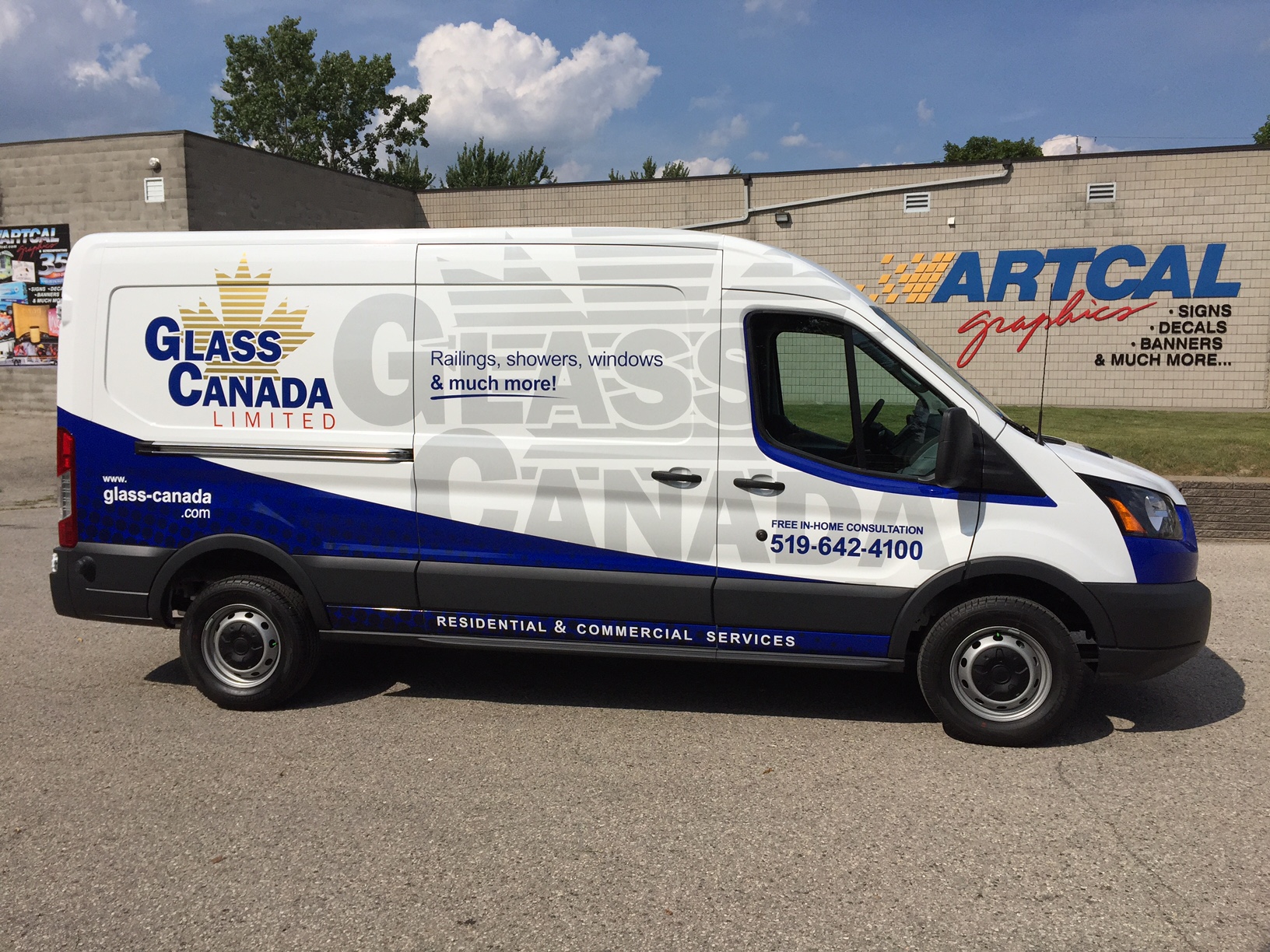
Artcal Graphics & Printing — Business Info (NAP)
Name: Artcal Graphics & PrintingAddress: 779 Industrial Rd, London, ON N5V 3N5
Phone: +1519-453-6010
Website: https://www.artcal.com/
Hours:
Monday: 8:00 AM – 4:30 PM
Tuesday: 8:00 AM – 4:30 PM
Wednesday: 8:00 AM – 4:30 PM
Thursday: 8:00 AM – 4:30 PM
Friday: 8:00 AM – 4:30 PM
Saturday: Closed
Sunday: Closed
Open-location code (Plus Code): 2RGM+3R London, Ontario
Map/listing URL: https://www.google.com/maps/place/Artcal+Graphics+%26+Printing+Inc/@43.025226,-81.1680305,17z/data=!3m1!4b1!4m6!3m5!1s0x882eed2ae63a528d:0xc7068af2d391a354!8m2!3d43.025226!4d-81.1654556!16s%2Fg%2F1vm7c2pl?entry=ttu&g_ep=EgoyMDI2MDYwMS4wIKXMDSoASAFQAw%3D%3D
Embed iframe:
Socials (canonical https URLs):
Facebook: https://www.facebook.com/ArtcalGraphics
LinkedIn: https://www.linkedin.com/company/artcal-graphics-&-screenprinting-inc./
Instagram: https://www.instagram.com/artcalgraphics/
https://www.artcal.com/
Artcal Graphics & Printing provides signage and graphic design services for businesses and organizations in London, Ontario and surrounding areas.
If you need custom signs, printed graphics, or design support for marketing materials, the team can help you plan the right format and finish for your project.
Common requests include business signage, interior and exterior graphics, vehicle or window graphics, and printed items used for promotions and day-to-day operations.
Artcal Graphics & Printing serves London and nearby communities throughout Southwestern Ontario.
Hours listed are Monday–Friday 8:00 AM–4:30 PM, with Saturday and Sunday closed.
For directions and listing details, use the map listing: https://maps.app.goo.gl/A2EZfwDigfcN14zA8
To request pricing or share artwork details, call +1-519-453-6010 or use the contact options on https://www.artcal.com/.
Popular Questions About Artcal Graphics & Printing
What types of signage can a sign shop produce?Many sign shops handle items like storefront signs, window graphics, decals, banners, and other custom displays (options depend on materials and project needs).
Do I need a print-ready file to place an order?
Not always—some shops can help with design or preparing artwork, but it’s best to confirm file formats, sizing, and resolution requirements before production.
How long does a signage or print project take?
Turnaround varies based on the product type, quantity, and production schedule. Sharing your deadline early helps confirm timing.
What are the hours for Artcal Graphics & Printing?
Hours listed: Monday–Friday 8:00 AM–4:30 PM; Saturday closed; Sunday closed.
How can I contact Artcal Graphics & Printing?
Phone: +1-519-453-6010
Website: https://www.artcal.com/
Map: https://maps.app.goo.gl/A2EZfwDigfcN14zA8
Landmarks Near London, ON
1) Victoria Park2) Covent Garden Market
3) Budweiser Gardens
4) Western University
5) Fanshawe College
6) Springbank Park